
 Moisture-Control Steps To Protect Crawlspaces And Foundations In Memphis
During the hot and humid months in Memphis, managing moisture around the home is crucial for protecting crawlspaces and foundations from potential damage. The combination of high humidity and summer rains can lead to moisture buildup, creating ideal conditions for mold, wood rot, and termite activity. Here are several moisture-control steps that can help Memphis homeowners safeguard their properties:
1. Maintain Proper Drainage Around The Foundation
Water pooling around the foundation is one of the leading causes of moisture problems in crawlspaces. Ensuring proper drainage is key to preventing water from accumulating near the home’s foundation.
- Gutters and downspouts should be clear and direct water away from the home.
- Soil grading should slope away from the foundation to prevent water from collecting near exterior walls.
By maintaining effective drainage, homeowners can prevent excess moisture from seeping into crawlspaces and weakening the foundation.
2. Seal Gaps And Cracks In The Foundation
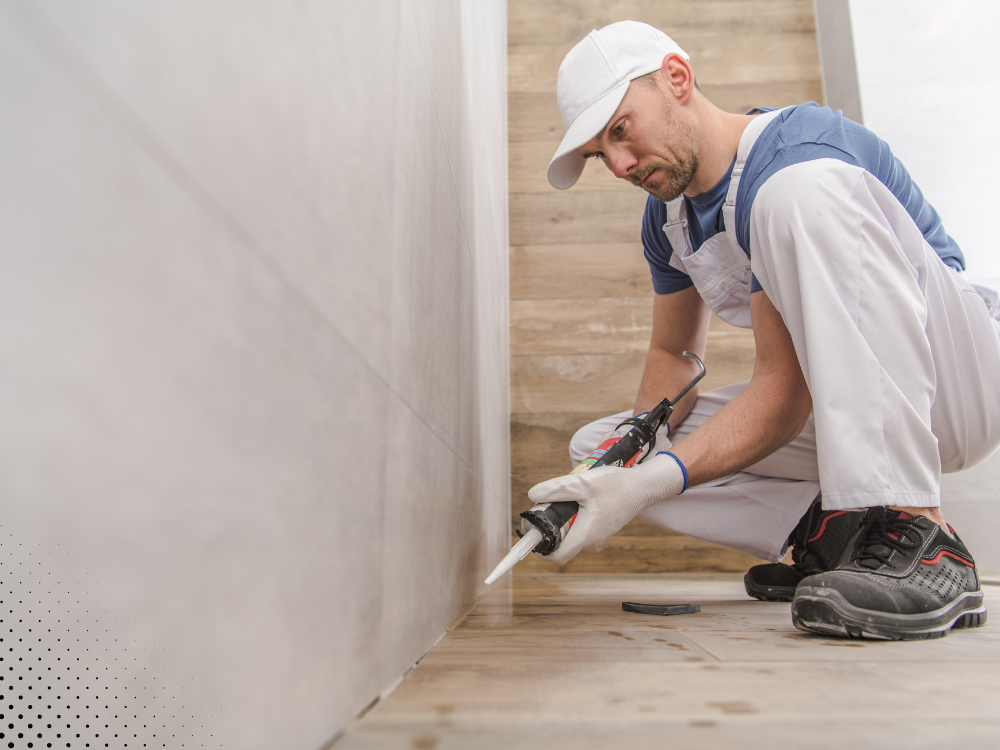
Small gaps and cracks around doors, windows, or utility lines may seem insignificant, but they can allow moisture to enter crawlspaces. Sealing these openings can help reduce moisture intrusion and prevent humidity from building up in the foundation and crawlspace areas.
3. Install A Vapor Barrier
A vapor barrier is an essential moisture-control tool for homes with crawlspaces. By covering the dirt floor with a plastic sheet, you can significantly reduce moisture levels. Vapor barriers prevent ground moisture from evaporating into the crawlspace and raising the humidity, which can lead to wood rot and other issues.
4. Increase Ventilation In Crawlspaces
Proper ventilation is crucial for keeping moisture levels in check. A well-ventilated crawlspace allows air to circulate, which helps prevent the buildup of moisture. Homeowners can install additional vents or fans to ensure adequate airflow and reduce the chances of mold growth and structural damage.
5. Regularly Inspect And Clean Gutters
Clogged gutters can cause water to overflow and seep into crawlspaces, leading to moisture-related problems. Regularly clean gutters and downspouts to ensure proper water flow, especially before heavy rains. This will prevent standing water around the foundation and lower the risk of water damage.
 6. Control Indoor Humidity
Indoor humidity can contribute to moisture buildup in crawlspaces. Dehumidifiers in the home, particularly in areas like basements and crawlspaces, can help control excess moisture in the air. Maintaining a humidity level of 30-50% can reduce the likelihood of mold and mildew growth inside the home.
7. Monitor For Termite Activity
Moisture issues can attract termites, which thrive in damp environments. Regular inspections for termite activity in and around crawlspaces can help catch issues early. Look for mud tubes, hollow-sounding wood, and wood damage, all signs of termite activity.
In Memphis, managing moisture is essential for protecting crawlspaces and foundations from long-term damage. By taking preventive measures such as proper drainage, sealing gaps, installing vapor barriers, improving ventilation, and controlling humidity, homeowners can protect their property from the harmful effects of excess moisture during the hot, humid months.
For a thorough inspection and personalized advice, schedule your home inspection with In-House Inspections LLC today.